Differences Between Conventional, Organic & Non-GMO Animal Feeds
With rising interest in healthy, sustainable farming practices, especially here in Virginia, the right feed makes all the difference. The chicken feed, swine feed and cattle feed your animals eat not only directly influences their health, but also impacts the quality of the meat, eggs or milk they produce. Even the sustainability of your farm is affected by the feed your animals consume.
With so many feed options available, it helps to understand the key differences between conventional, non-GMO and organic animal feeds.
Conventional Animal Feed
Conventional feed is the most common option on the market and is often made with genetically modified (GMO) grains. It may also include additives, growth promoters or even preventative antibiotics to support faster production in large-scale farming.
While conventional feed is widely available and typically the most affordable option, many farmers report concerns about long-term animal health, product quality and environmental impact after their use.
Organic Animal Feed
Organic feed is certified to meet strict standards: grains must be grown without GMOs, synthetic fertilizers or pesticides and no antibiotics or hormones can be added. Implementation of these standards is based on a farm plan that is approved by a USDA-accredited certifying agent. Organic feed is an excellent option for farmers who market certified organic products and want the cleanest possible nutrition for their animals.
A growing number of people are seeing the benefits of organic farming such as product quality, reduced environmental impact, enhanced soil, and biodiversity. Many farmers are choosing organic feeds to support these demands.
However, organic certification doesn’t guarantee the quality or purity of the product. In addition, organic feed comes at a premium price and may not be readily available in all regions.
Non-GMO Animal Feed
Like organic feed, Non-GMO feed uses grains that are not genetically modified. The key difference is in how purity is maintained. While organic certification focuses on a farm plan that follows regulations about how crops are grown and how animals are raised, it doesn’t require testing of the grain itself. Conversely, Non-GMO emphasizes keeping genetically modified ingredients out of the feed without the added complexity of organic certification.
Non-GMO feed does not carry the same certification requirements as organic feed. However, it offers many health and sustainability benefits for livestock. Farmers often choose non-GMO feed as it provides a cleaner, more natural diet than conventional feed without the higher cost of certified organic options. “Food products produced using regenerative and traditional farming methods, which build healthy soil and biodiverse ecosystems, offer increased nutrition” (2) in the food we eat.
Additionally, non-GMO feeds are better for the environment. According to a recent multinational study, “Non-GMO feed production is typically less reliant on synthetic chemicals, which helps reduce the environmental impact associated with agriculture.” For example, farmers using genetically modified Roundup Ready seed can use Roundup with glyphosate as the active ingredient on plants after they have emerged from the soil. By contrast, farmers using non-GMO seed will not be able to use glyphosate on plants post-emergent since the non-GMO seed’s genetic makeup has not been altered to be resistant to glyphosate.
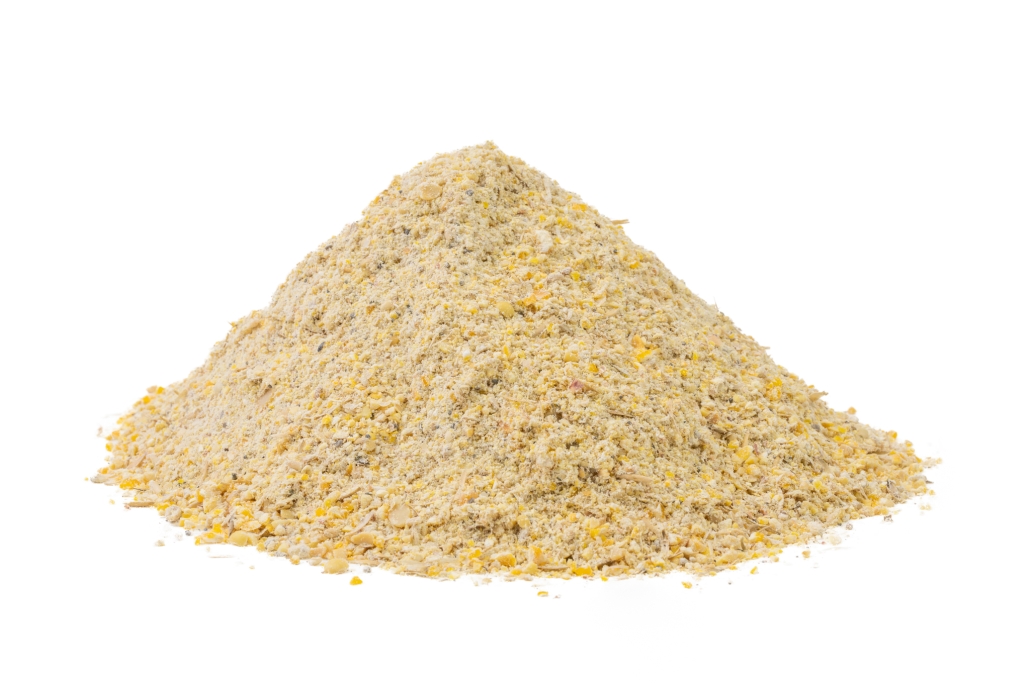
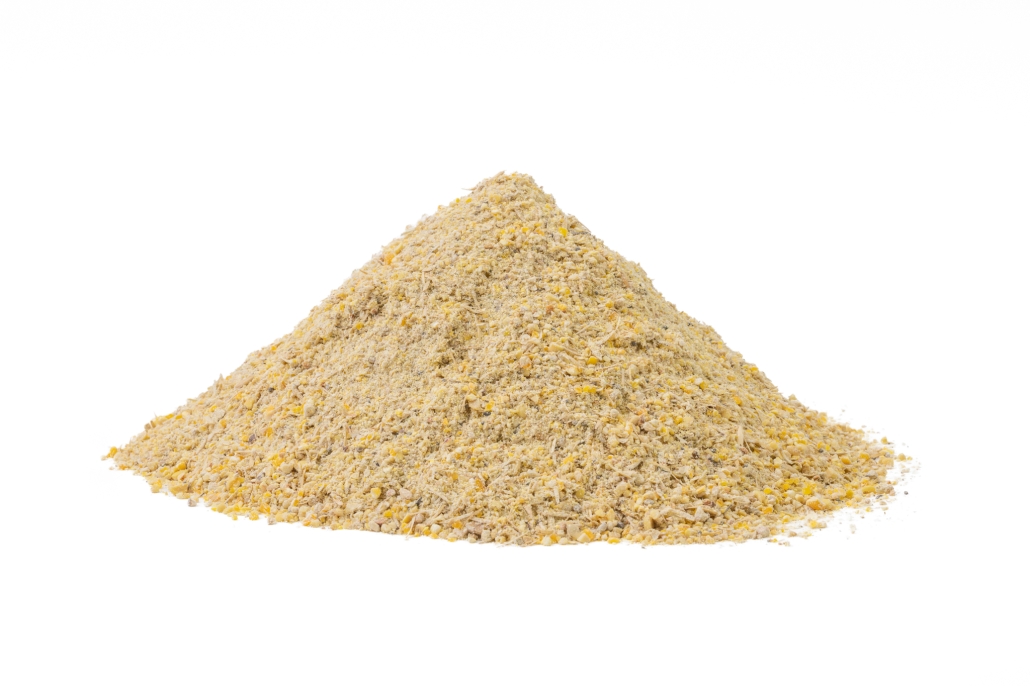
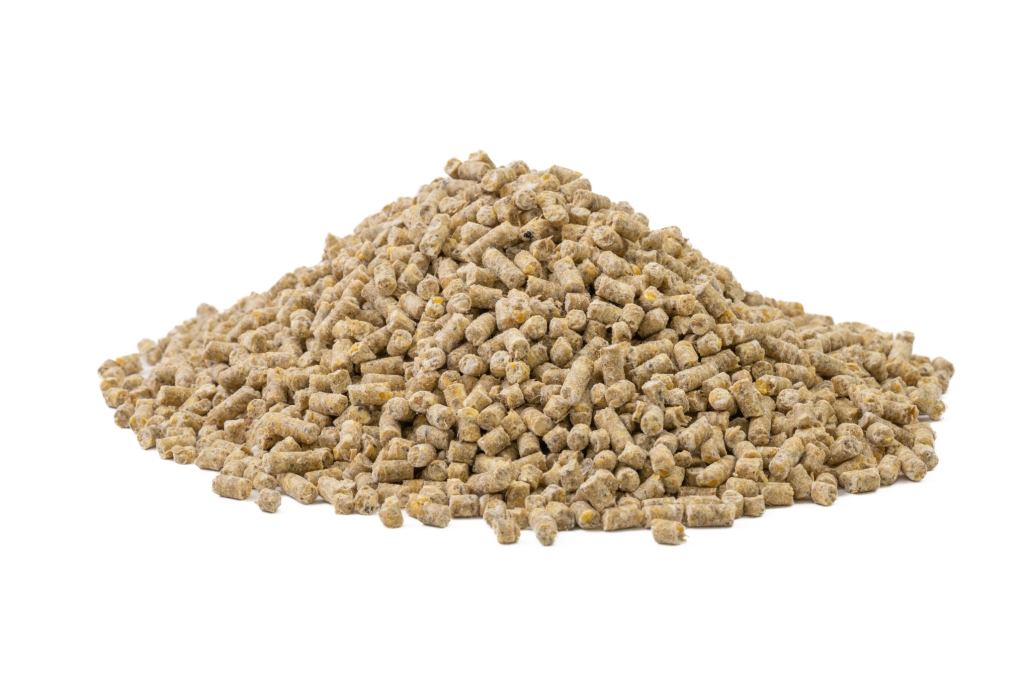
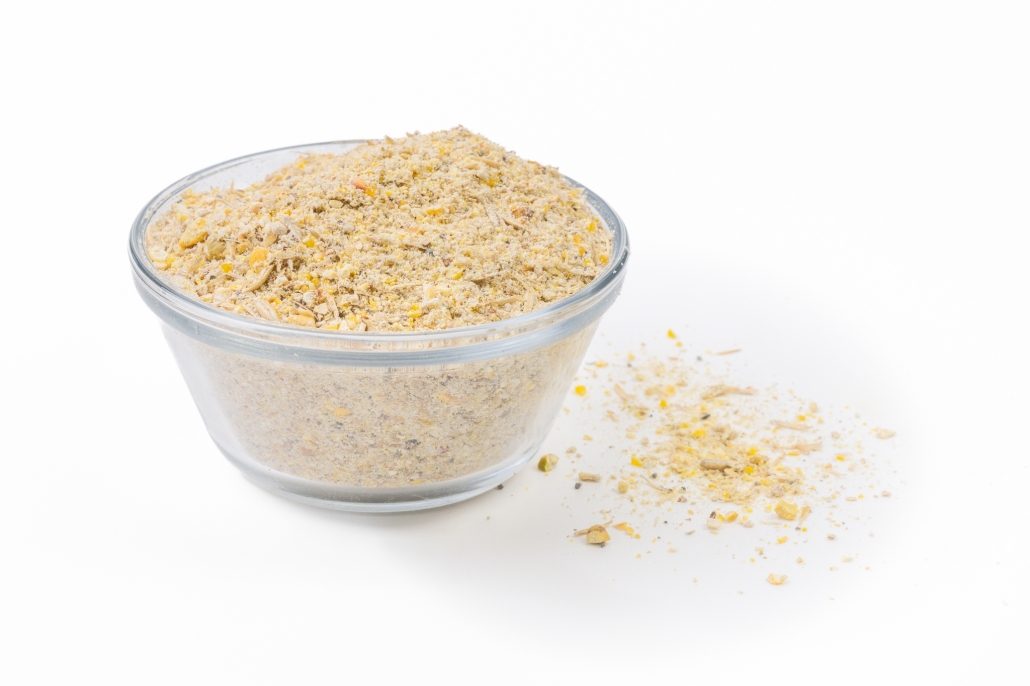
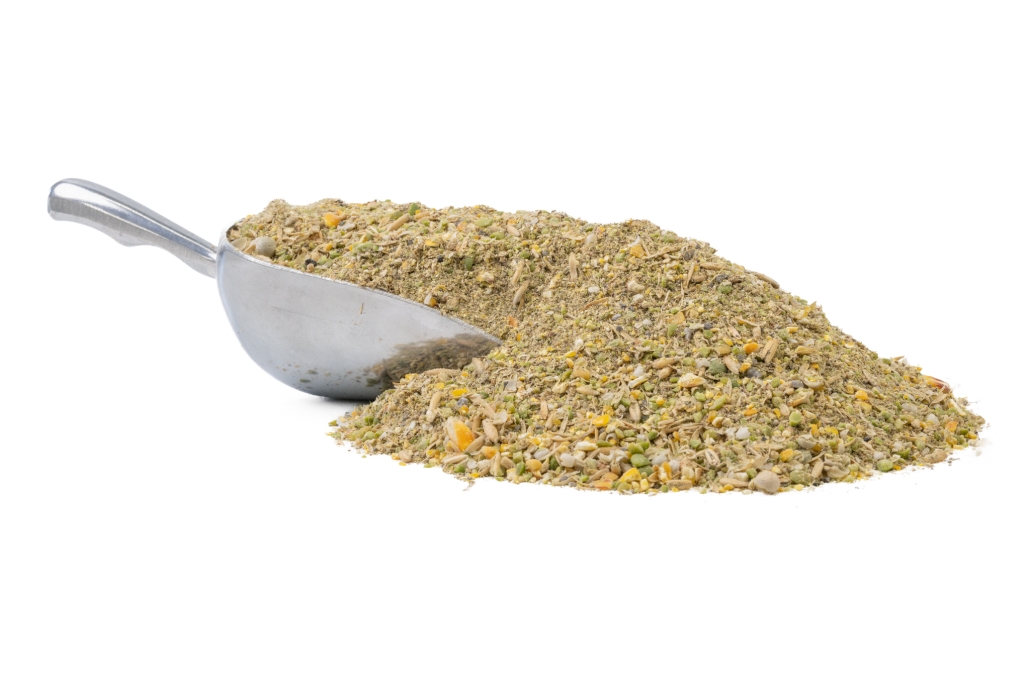
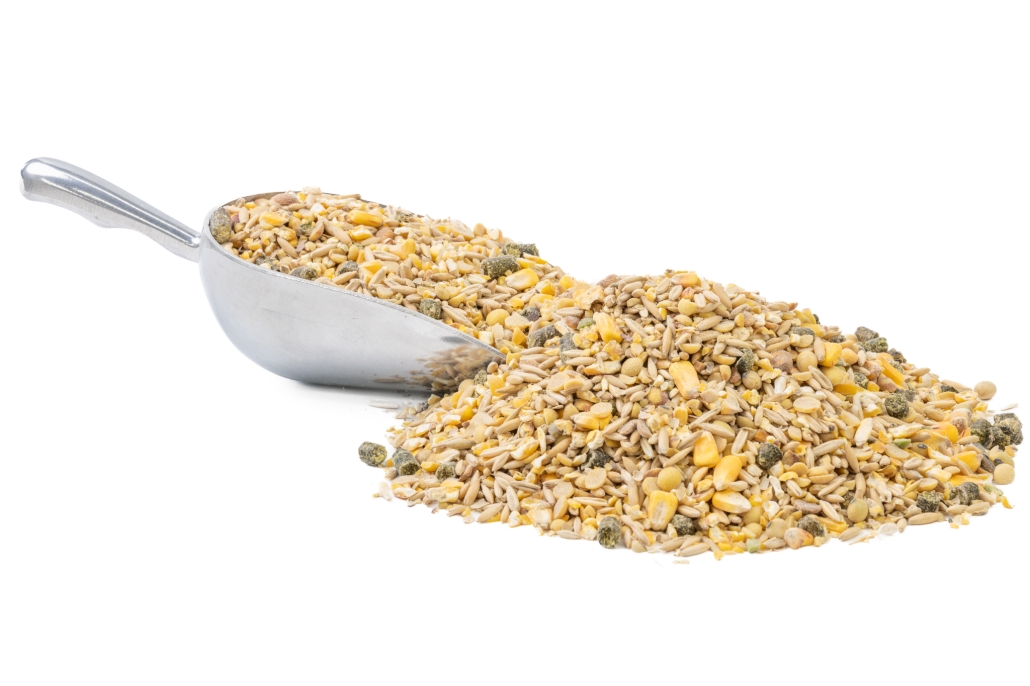
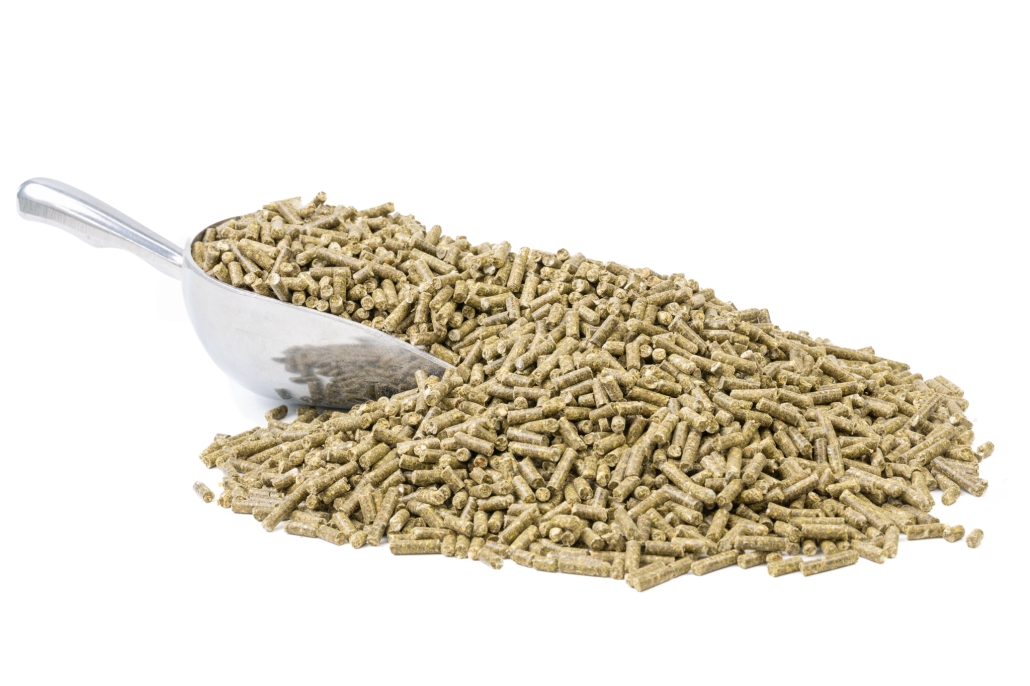
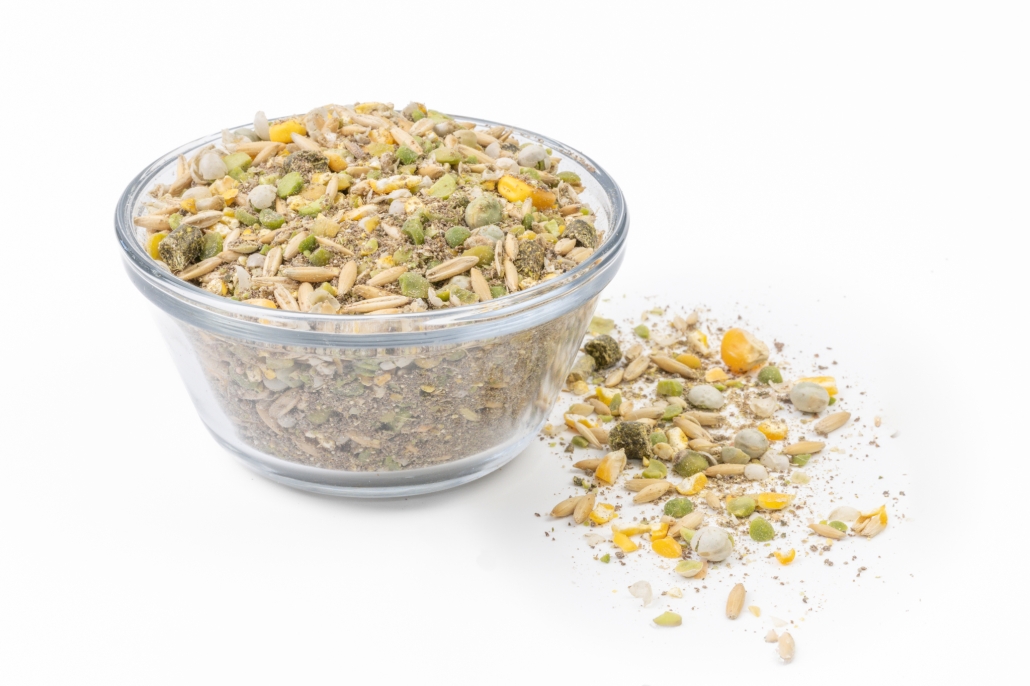
Sunrise Farms Mills Non-GMO Animal Feed
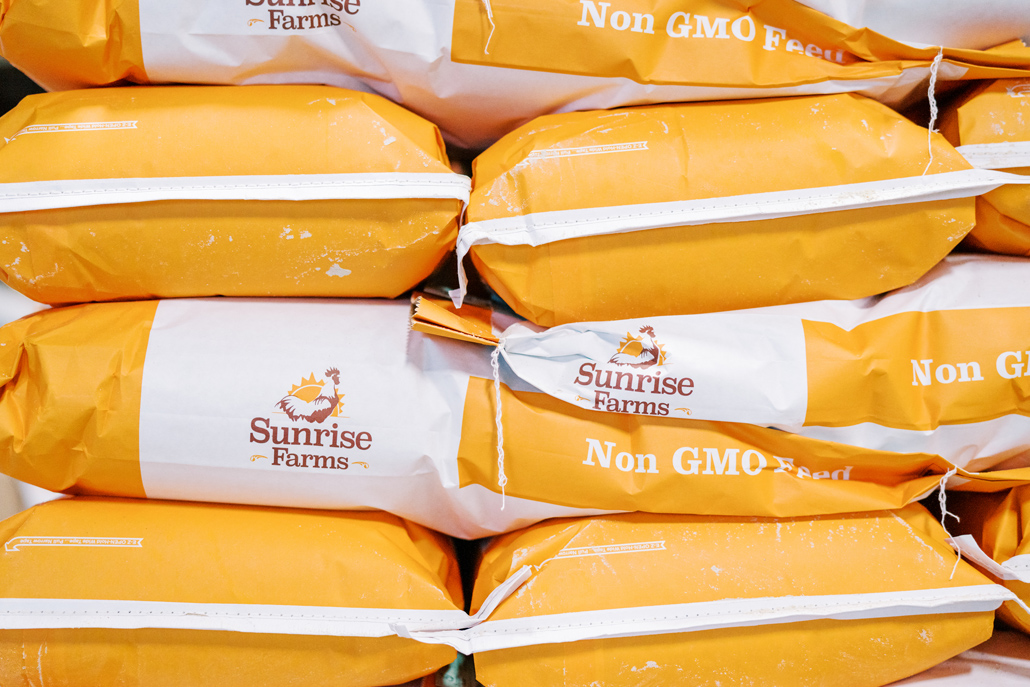
At Sunrise Farms, we take non-GMO a step further. While we are non-GMO Verified, and we regularly test our grains for GMOs, we also test for glyphosate and 300–400 other potential chemical residues from pesticides and herbicides. Testing for glyphosate and pesticide residue isn’t required for non-GMO or organic certification, but we believe it’s an important way to maintain credibility and ensure cleaner nutrition for your animals.
We also never add preventative antibiotics in our feed. Some conventional feeds rely on “medicated” formulations, but our philosophy is that strong, healthy animals who are not subjected to crowded conditions don’t need antibiotics built into their diets.
We mill fresh non-GMO chicken feed, swine feed and cattle feed right here in Virginia using grains sourced from trusted local partners. Our approach is simple: combine fresh, non-GMO grains with the natural foraging of our animals. Chickens scratch in pesticide-free pastures, hogs forage in the woods and cattle graze on rotated pastures. The result is stronger immunity, natural growth, healthier livestock and better meat, eggs and milk without the need for added antibiotics or hormones.
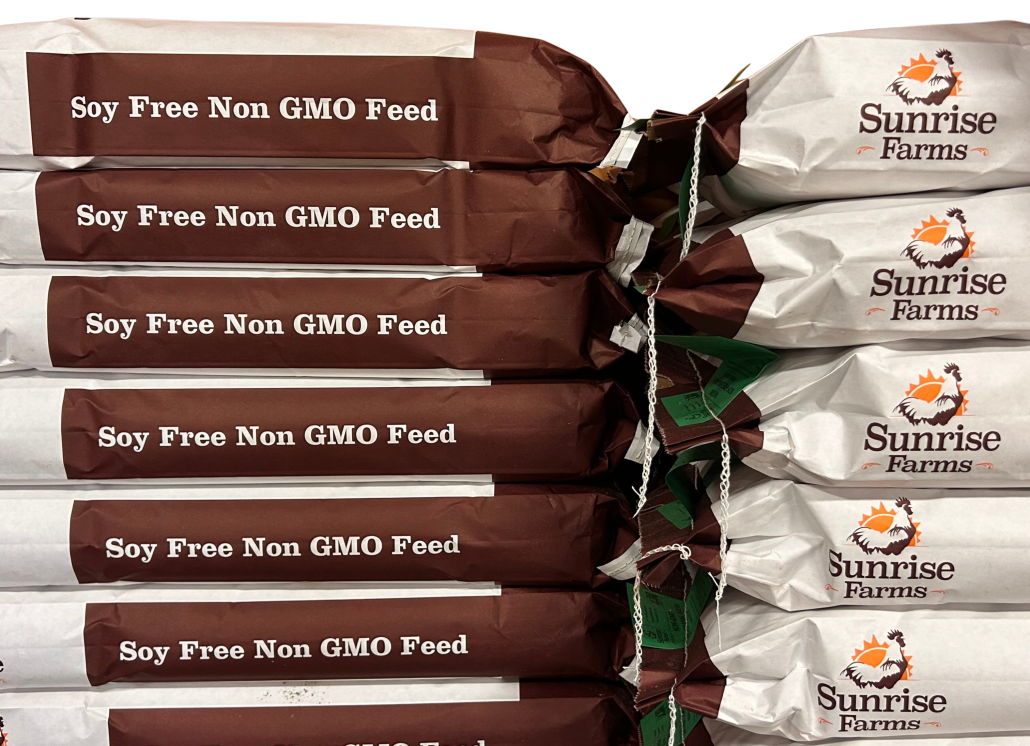
Our non-GMO feeds include both soy and soy-free options. Our standard soy-based non-GMO feed serves as a budget-friendly choice while our soy-free alternative provides a quality solution for those avoiding soy in their animal’s diets. Many of our feeds are available in two formats: mash or pellets.
Even though conventional feed is cheaper to purchase, health challenges and reduced product quality can add up in the long run. Organic feed provides exceptional quality but often at a price point out of reach for many farms. Non-GMO feed offers an affordable middle ground, giving you the best of both worlds: high-quality nutrition for your animals without the premium price of certified organic options.
By choosing non-GMO feed, you support healthier, naturally raised livestock, free from genetically modified ingredients and unnecessary additives like preventative antibiotics. This not only enhances the well-being and growth of your animals but also improves the quality of the meat, eggs and milk they produce. The end result? Better, healthier products that you and your customers can feel confident about.
Choose Sunrise Farms Non-GMO Feed
For more than 20 years, our family has been committed to ethical farming and fresh, non-GMO feed. Stop by our farm or contact us today to give your animals the feed they deserve and see the difference it makes.
Contact Us For Non-GMO Feed Today.
Research:
(1) Nutrient Density Alliance: https://www.nutrientdensityalliance.org/
(2) “Non-GMO Animal Feed Market Insights” (2025)
https://www.verifiedmarketreports.com/product/non-gmo-animal-feed-market/?utm_source=chatgpt.com/