How Much Protein Should Layer Feed Have?
Maintaining consistent egg production and ensuring the overall health and vitality of your flock is critical to keeping your Virginia farm profitable. One way to do that is to provide your chickens with layer feed that includes proper protein levels.
Protein Needs Vary by Age.
There’s no one-size-fits-all level of protein for layer feed, as the needs of newborn chicks, pullets (young hens), or laying hens, all require different levels to remain healthy.
Here’s a quick guide from the Department of Poultry Science* that outlines protein requirements of layer feed by age for a variety of chickens:
- Baby Chicks: 20-22%
- Cockerels: 17%
- Pullets: 17%
- Laying Hens: 16-18%
These levels of protein are sufficient for a chicken’s main bodily processes involving the development of flesh, blood, feathers, skin, bones, and, when possible, egg production. While protein is a vital building block of nutrition, too much in a chicken’s diet (especially older hens) can result in poor growth, improper yolk formation in eggs, renal dysfunction, permanent kidney damage and dehydration.
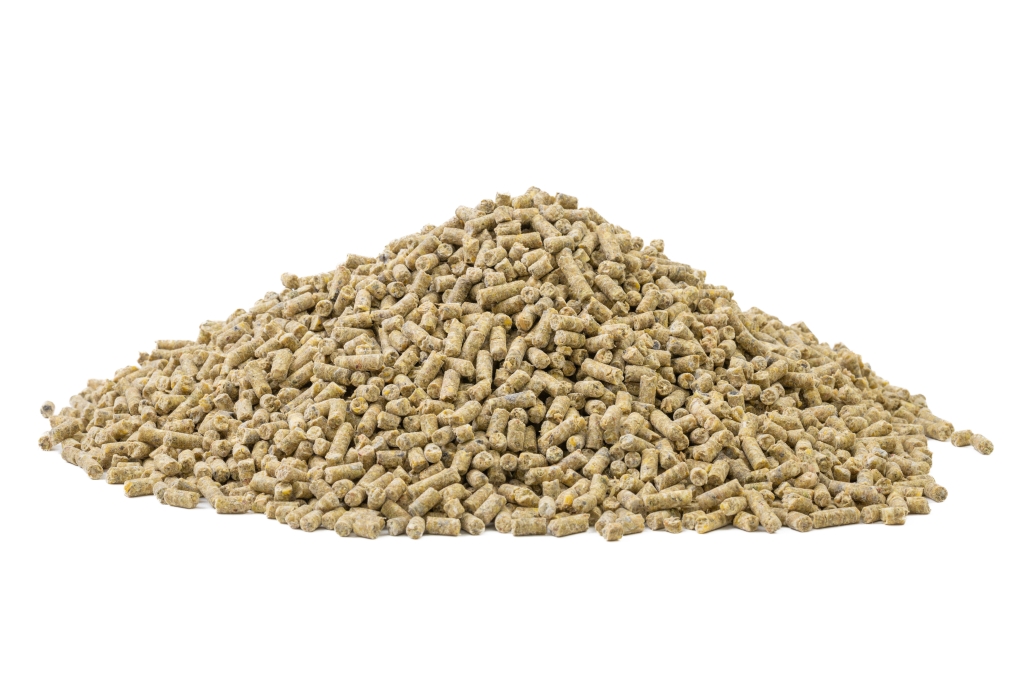
The general purpose layer feed we offer here at Sunrise Farms is 16% protein, complete with the nutrients needed to support optimal egg quality and production.
How Much Layer Feed Does My Flock Need?
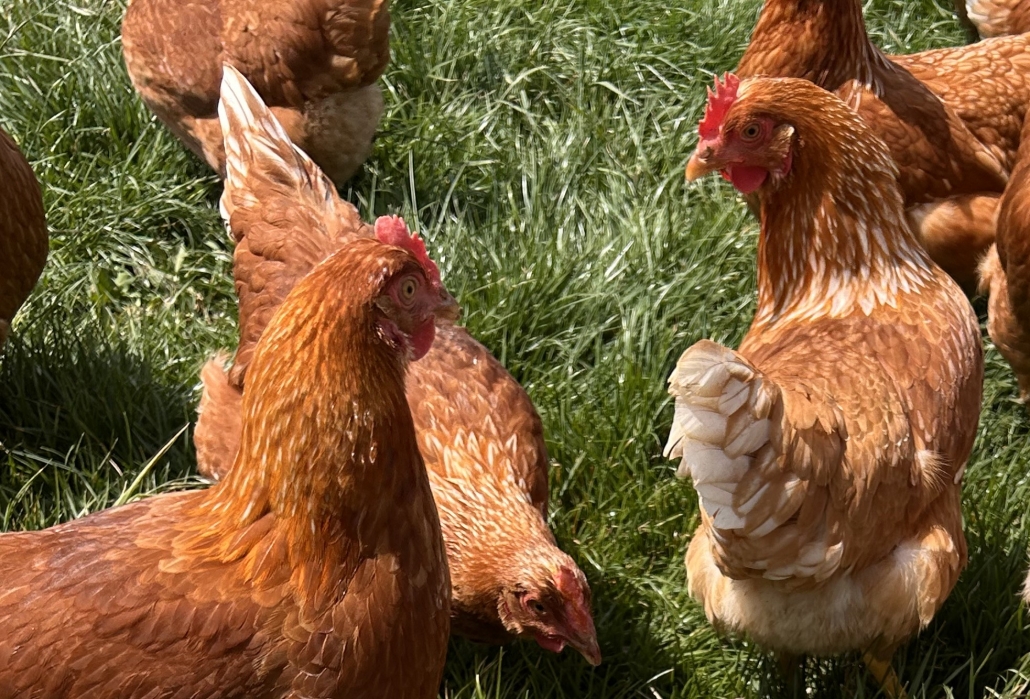
Not as much as you may think. The amount of feed you provide depends on age, breed and weight. That said, an adult chicken needs between 100 and 115 grams (0.25 lb) of feed per day, or about as much as they can eat in roughly 15 minutes.
If these levels prove to be insufficient or you’re looking to provide an extra boost of nutrition or energy, especially during winter months or during molting, there are a number of alternatives available.
Ways to Supplement Layer Feed
Homesteaders who want to supplement the layer feed fed to chickens, have a wide range of nutritional options to choose from.
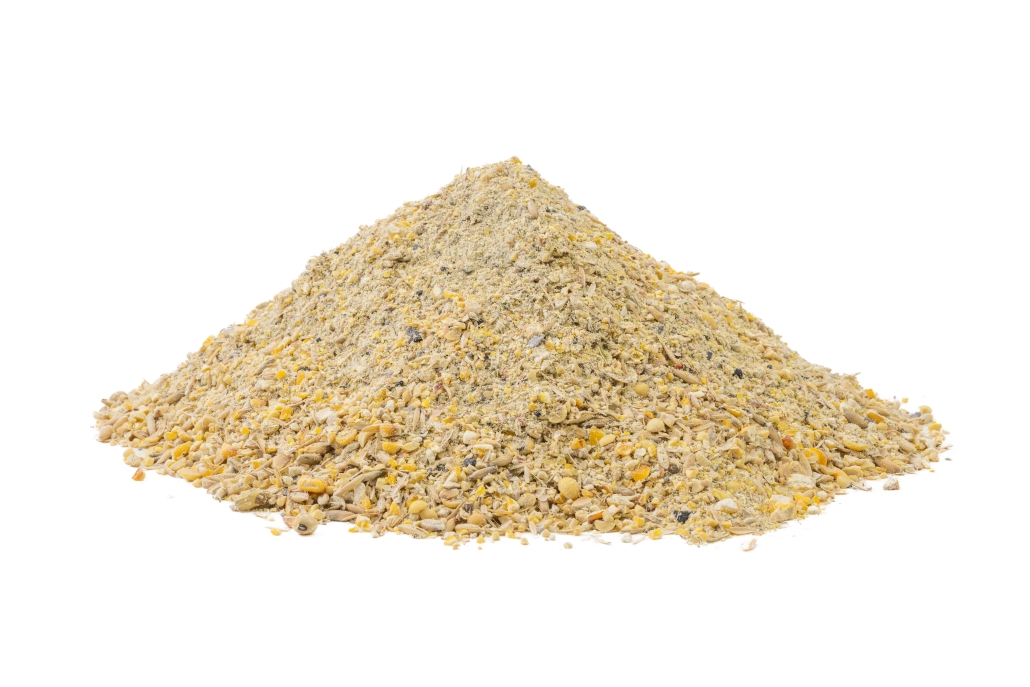
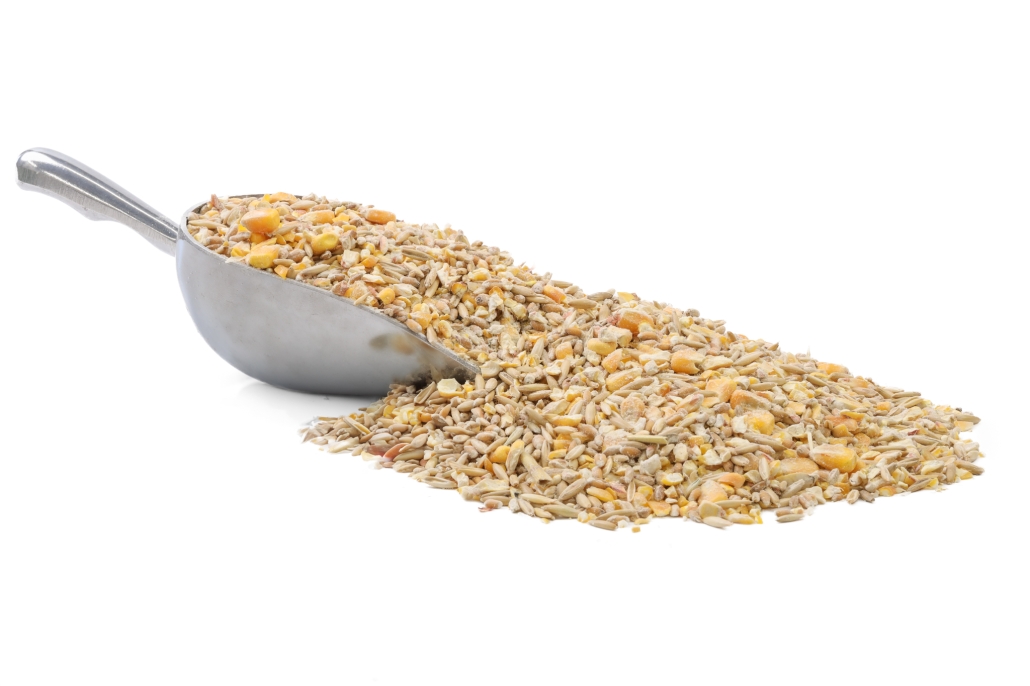
- Scratch: Can be supplemented in winter for additional energy or anytime to give your flock variety or a “snack.” While a popular option, it should be used in moderation since it is a mixture of whole grains and not a complete feed.
- Food Scraps: Do you have extra fruits, vegetables, whole grains or protein from dinner? If so, these make excellent feed alternatives to help improve your chickens’ health and wellbeing.
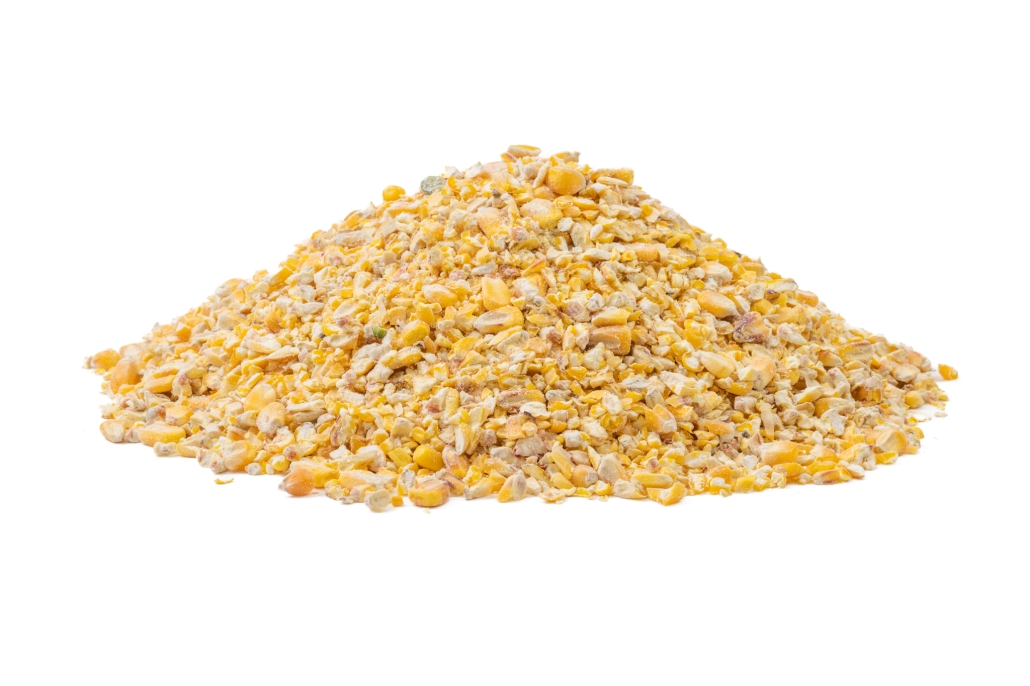
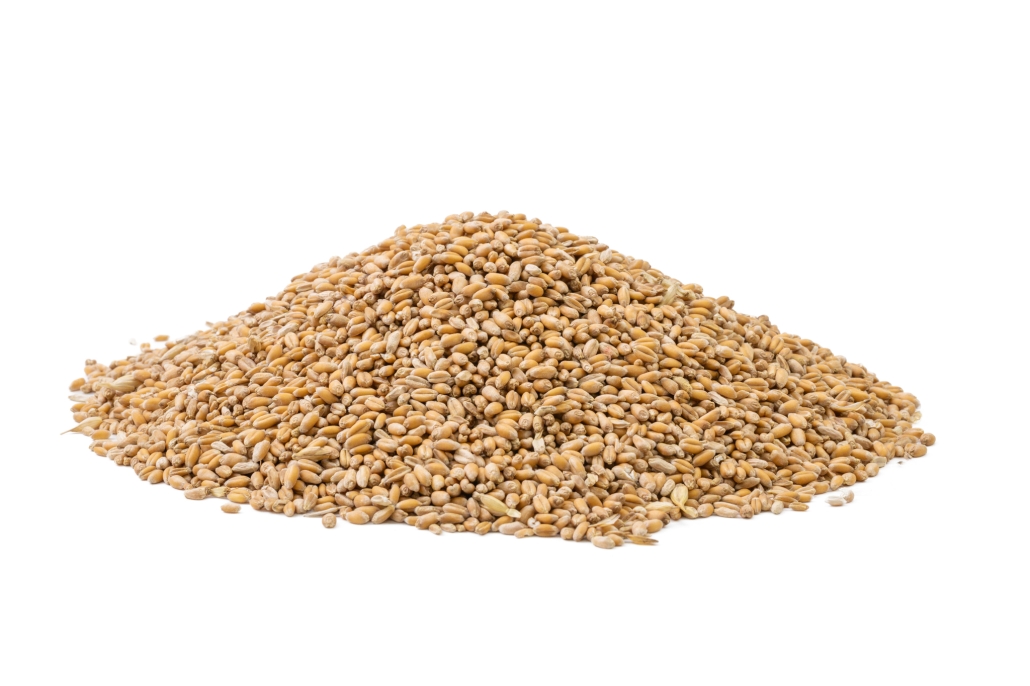
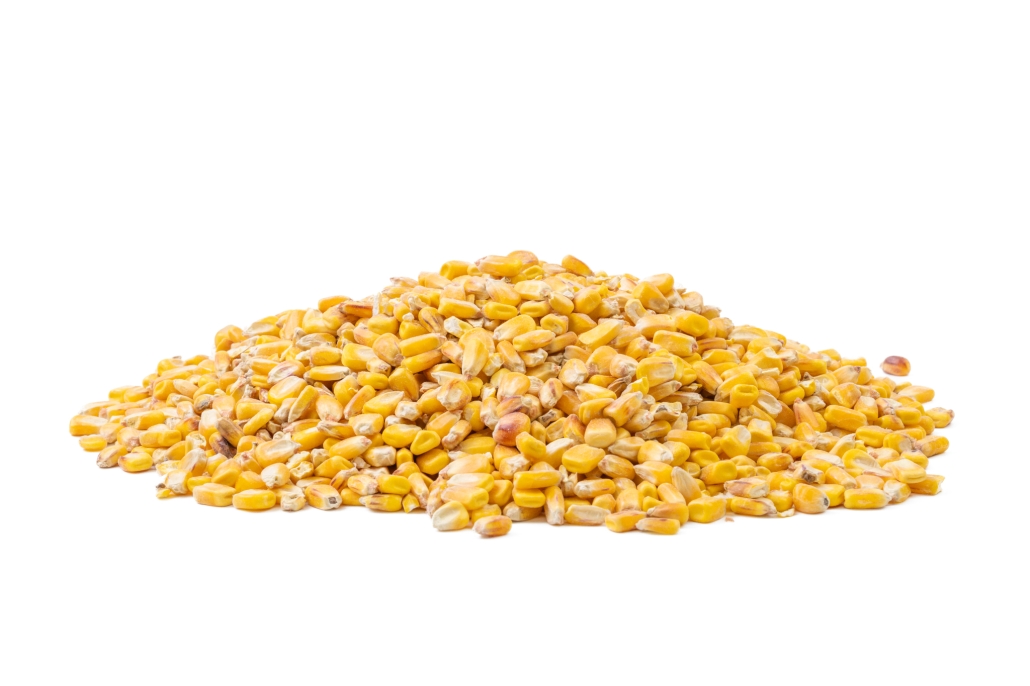
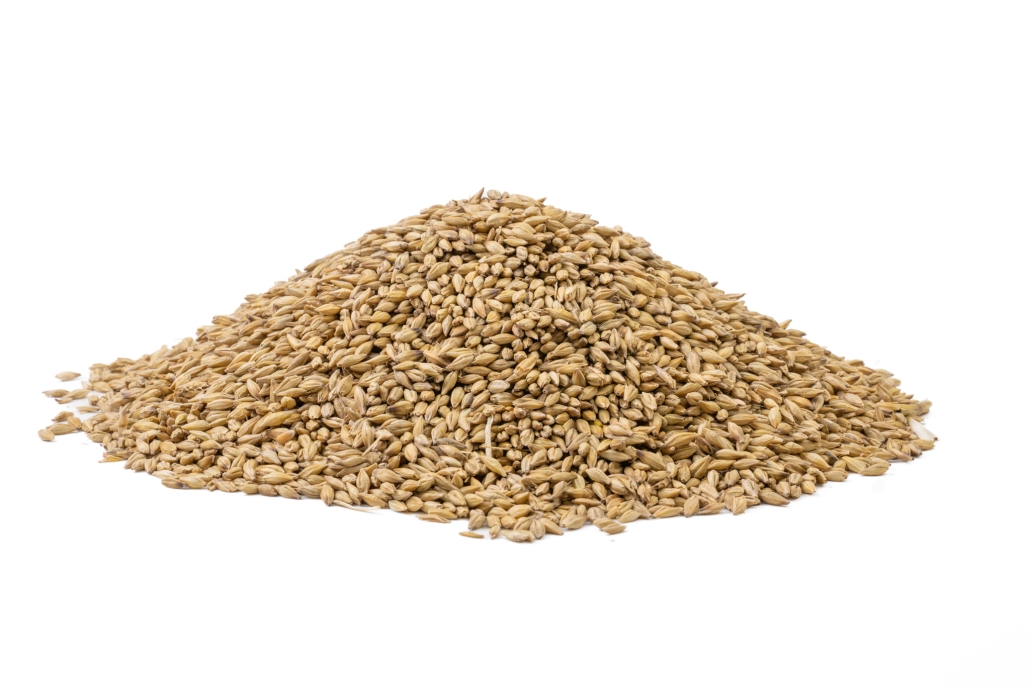
- Energy Supplements: Corn, wheat, barley and sorghum are all good carbohydrate options for increasing the energy of your flock.
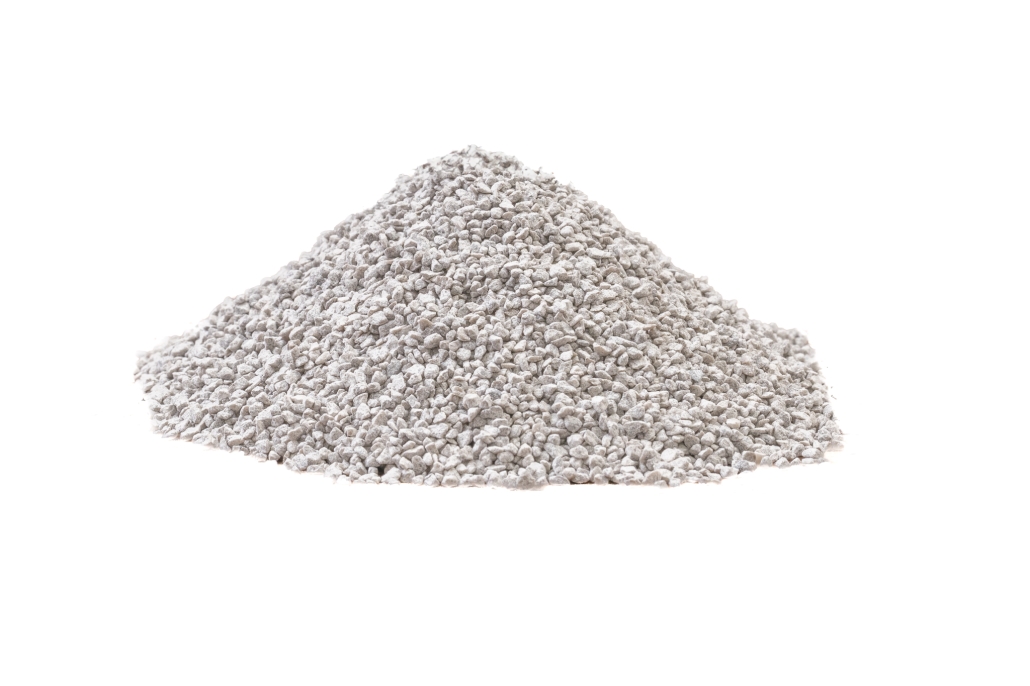
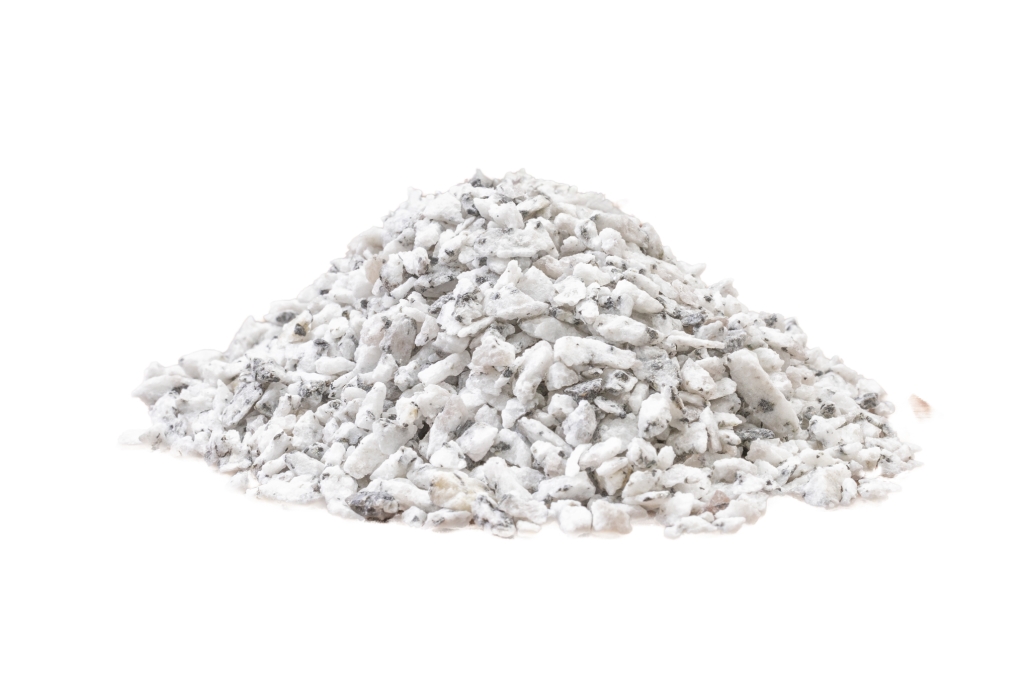
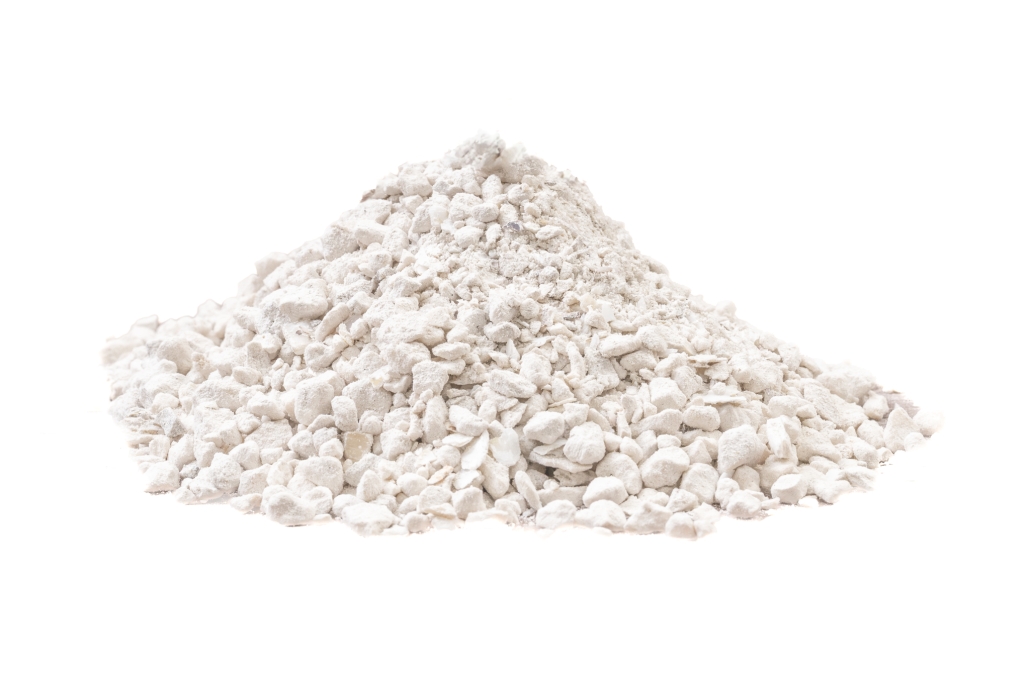
- Calcium & Mineral Supplements: Things like salt, oyster shells, and limestone can help everything from eggshell strength and maintaining proper electrolyte balance.
- Grit: This abrasive material doesn’t provide much nutrition to your flock, but it does assist with digestion. It helps chickens break down food in the gizzard. There, feed and grit combine with stomach acids and digestive enzymes to absorb the nutrients birds need to maintain good health.
Are you ready to provide your chickens with the nutritious layer feed they need to keep egg production going strong? Visit our store in Virginia for a full line of poultry feeds, minerals, and supplements, and place your order today!